KS1 and KS2 Modules:
Click on a picture for more information


Heading
Heading
Lorem ipsum dolor sit amet, consectetur adipiscing elit. Nulla euismod condimentum felis vitae efficitur. Sed vel dictum quam, at blandit leo.
Lorem ipsum dolor sit amet, consectetur adipiscing elit. Nulla euismod condimentum felis vitae efficitur. Sed vel dictum quam, at blandit leo.
Lorem ipsum dolor sit amet, consectetur adipiscing elit. Nulla euismod condimentum felis vitae efficitur. Sed vel dictum quam, at blandit leo.
Lorem ipsum dolor sit amet, consectetur adipiscing elit. Nulla euismod condimentum felis vitae efficitur. Sed vel dictum quam, at blandit leo.
Lorem ipsum dolor sit amet, consectetur adipiscing elit. Nulla euismod condimentum felis vitae efficitur. Sed vel dictum quam, at blandit leo.
Lorem ipsum dolor sit amet, consectetur adipiscing elit. Nulla euismod condimentum felis vitae efficitur. Sed vel dictum quam, at blandit leo.
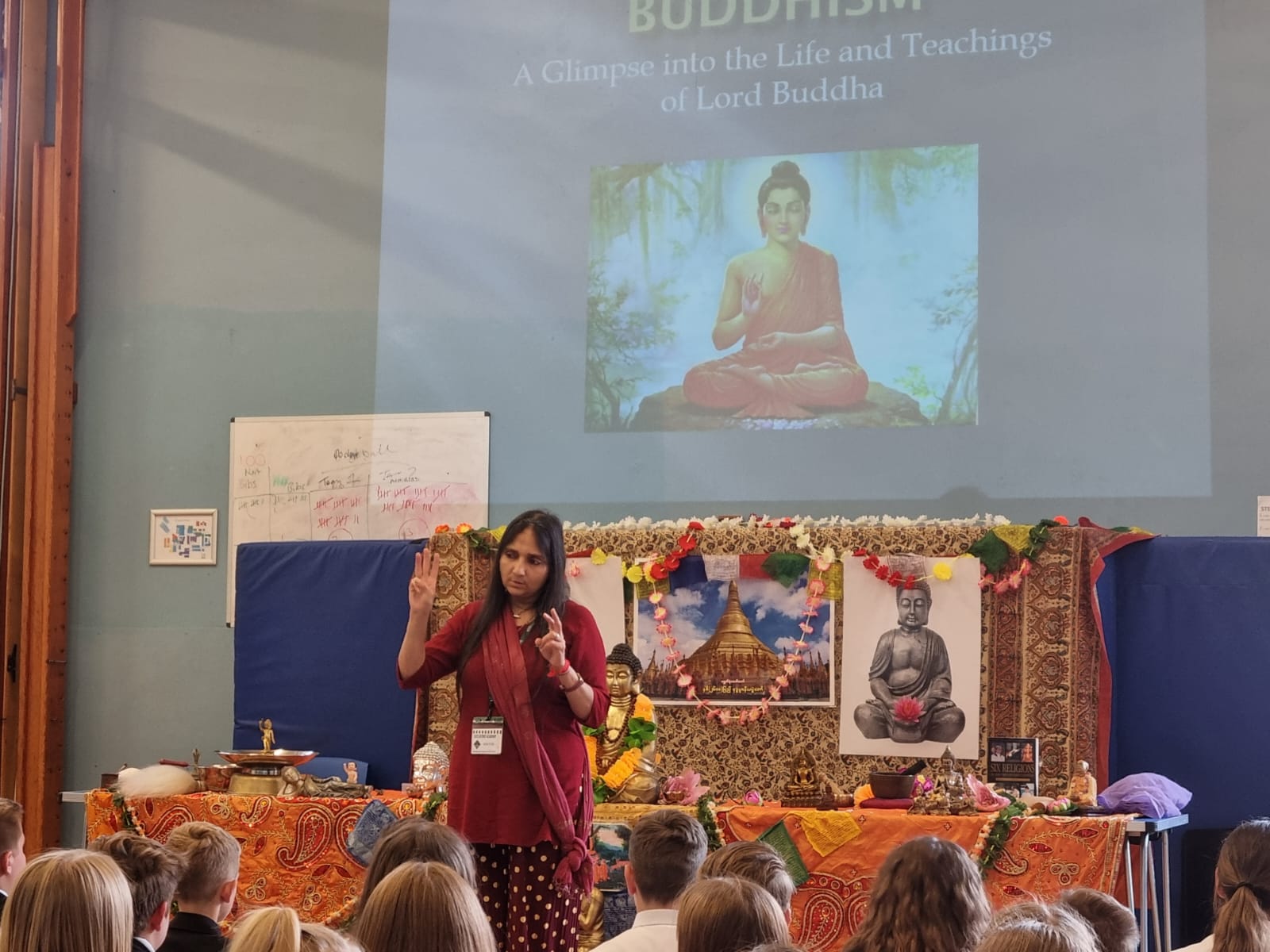
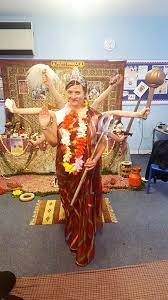
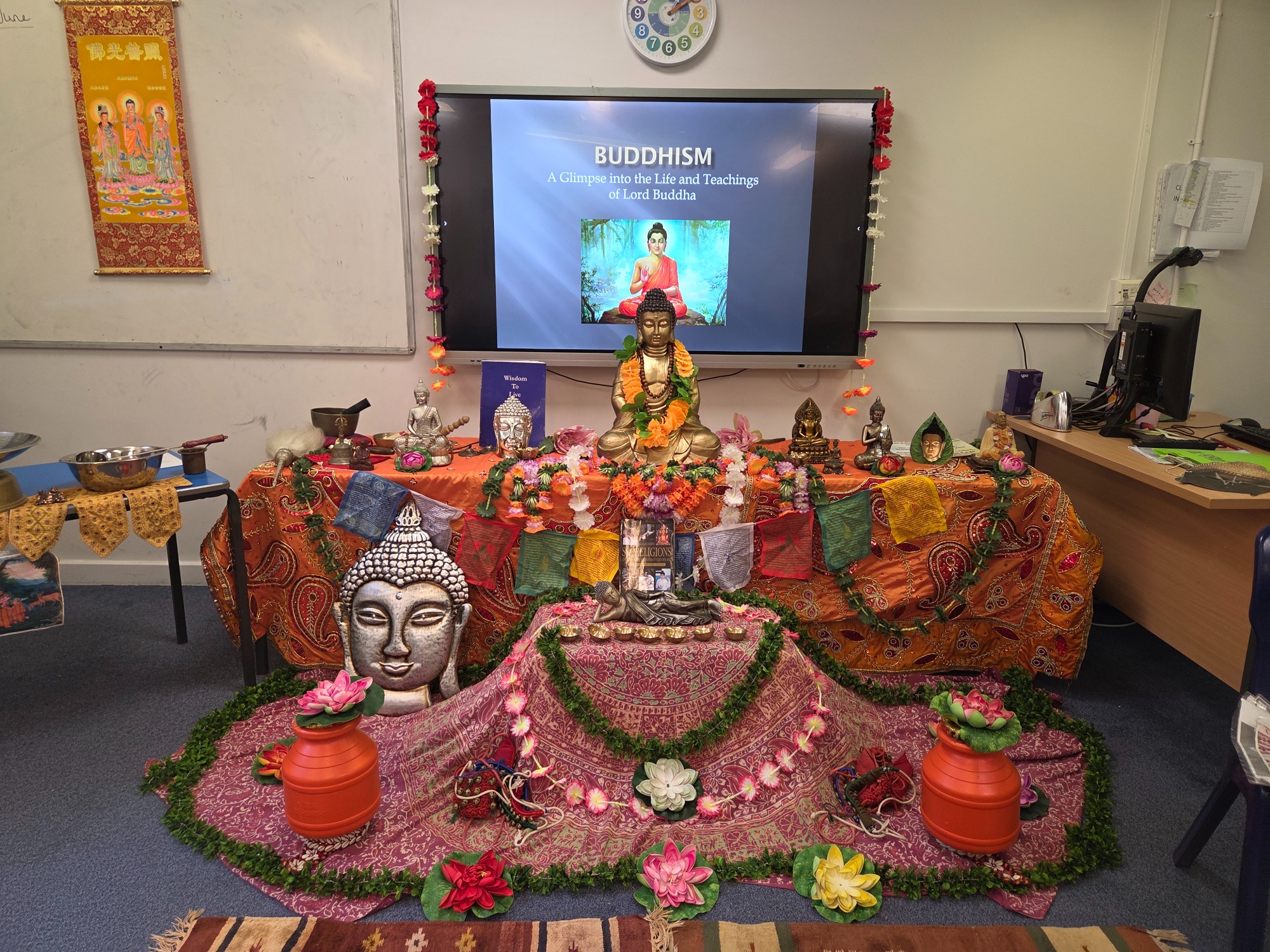
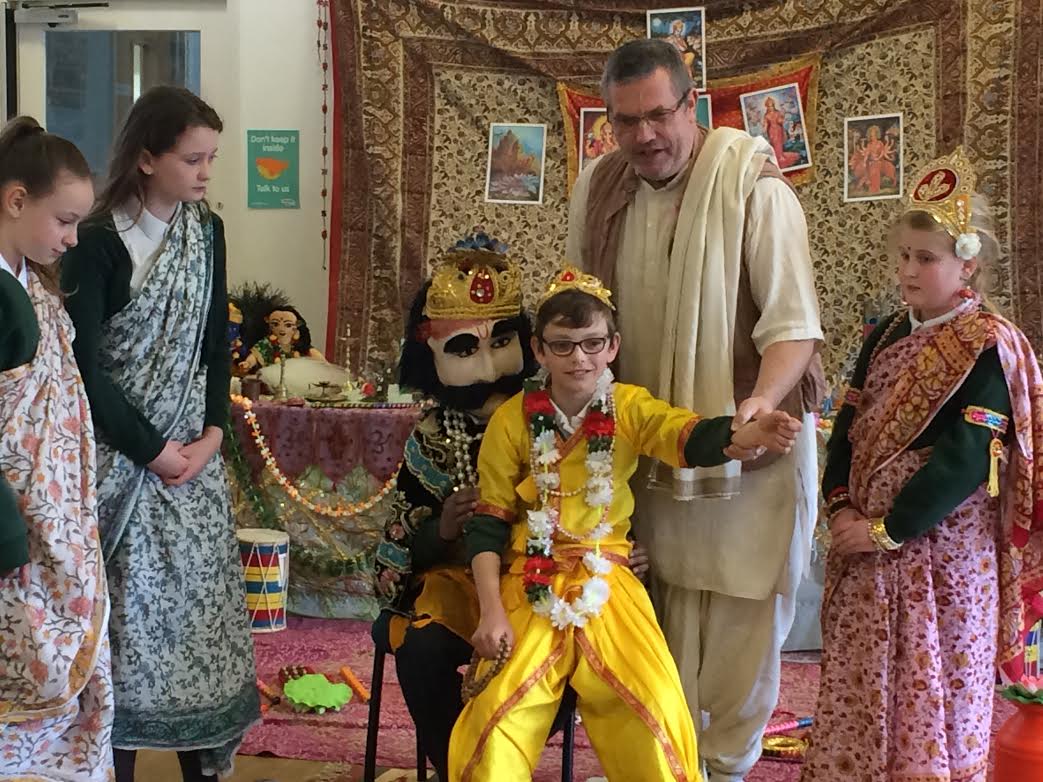
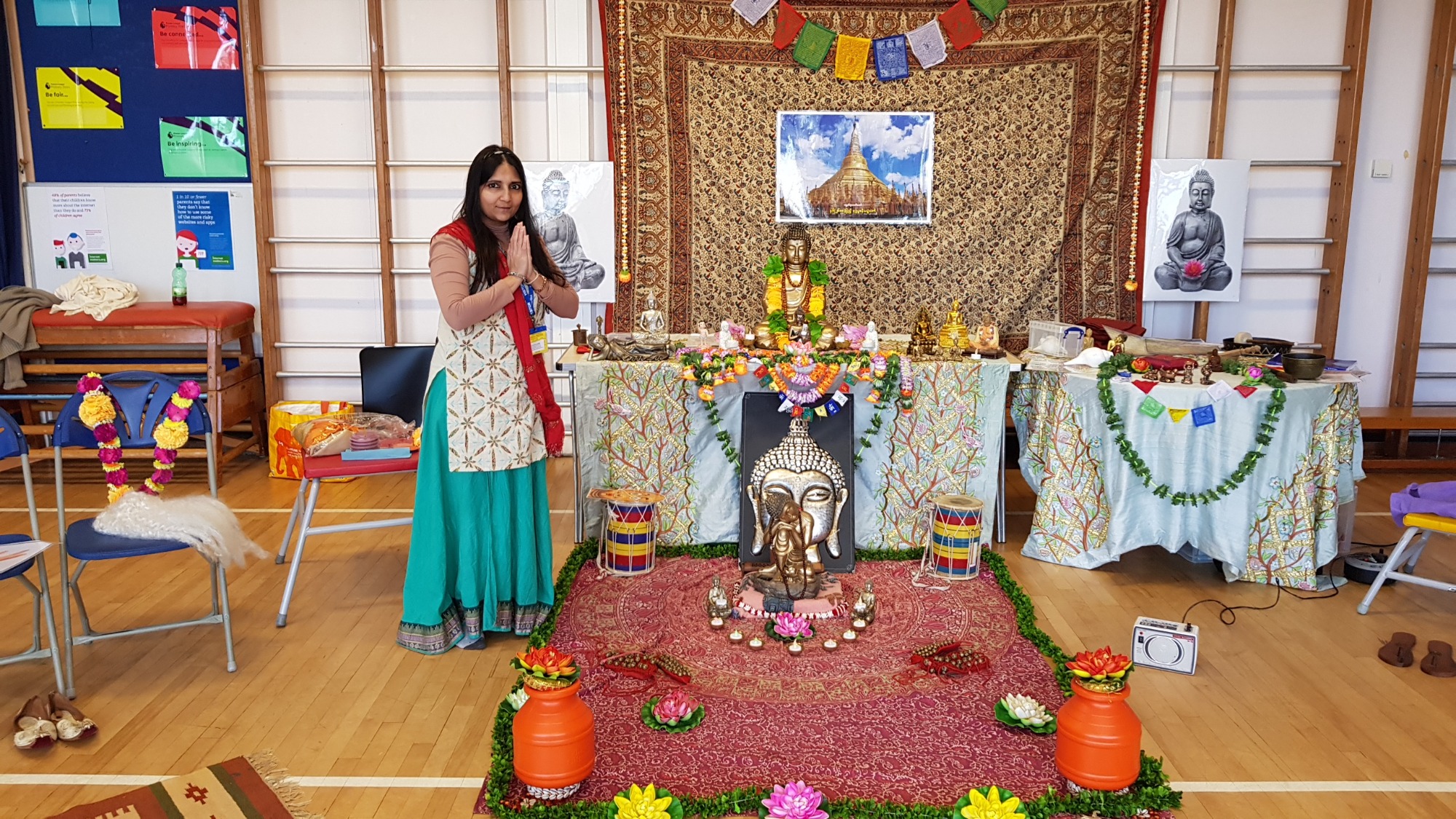
A Typical Hinduism Display in a School Hall
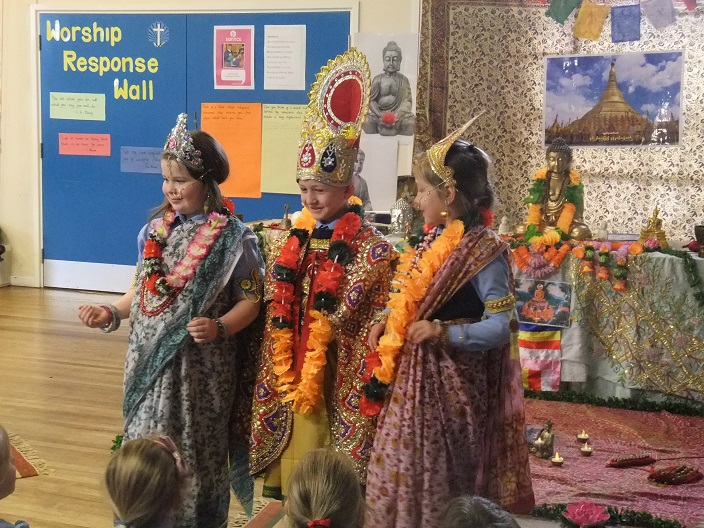
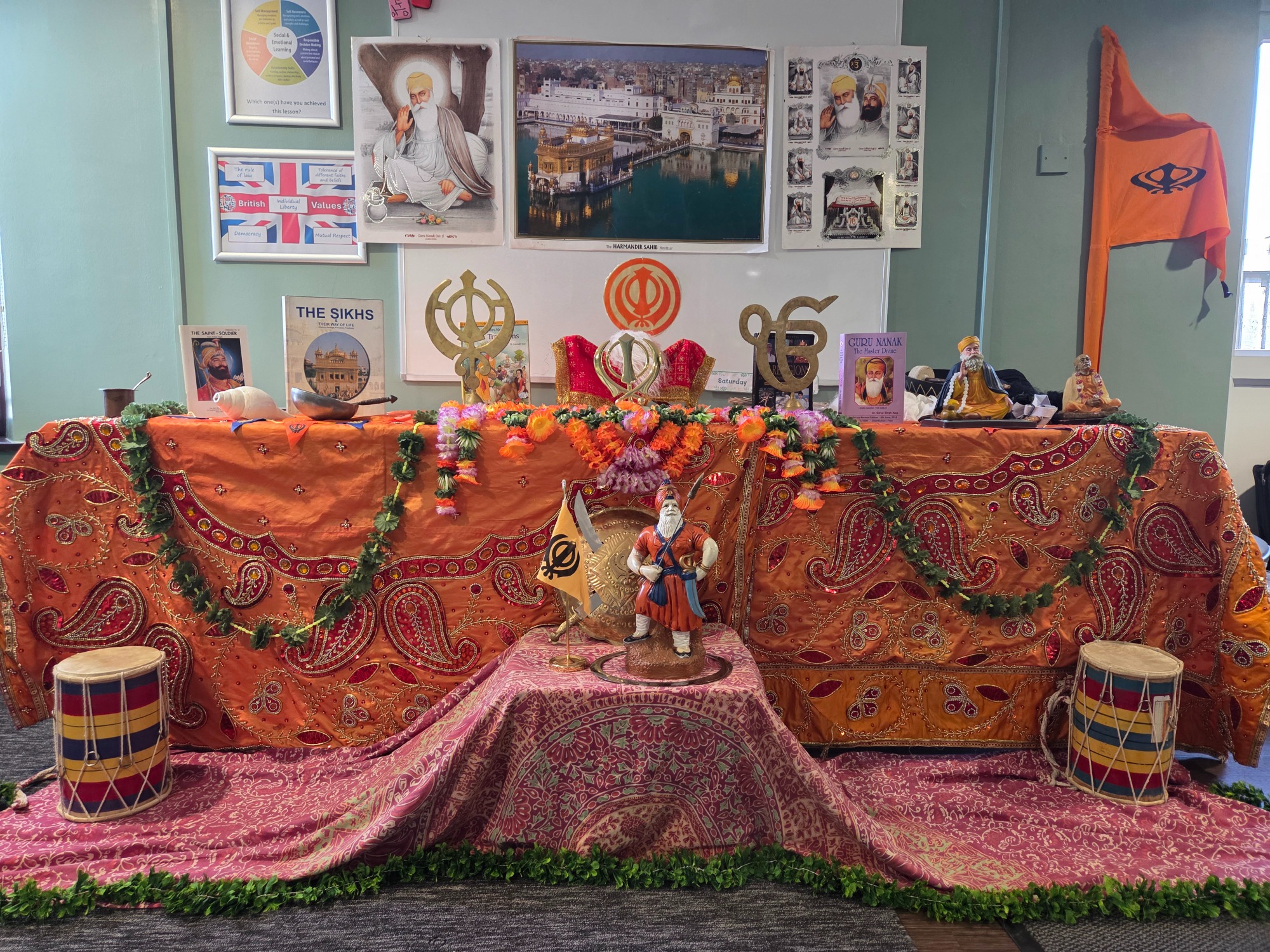
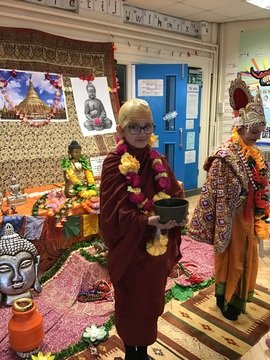
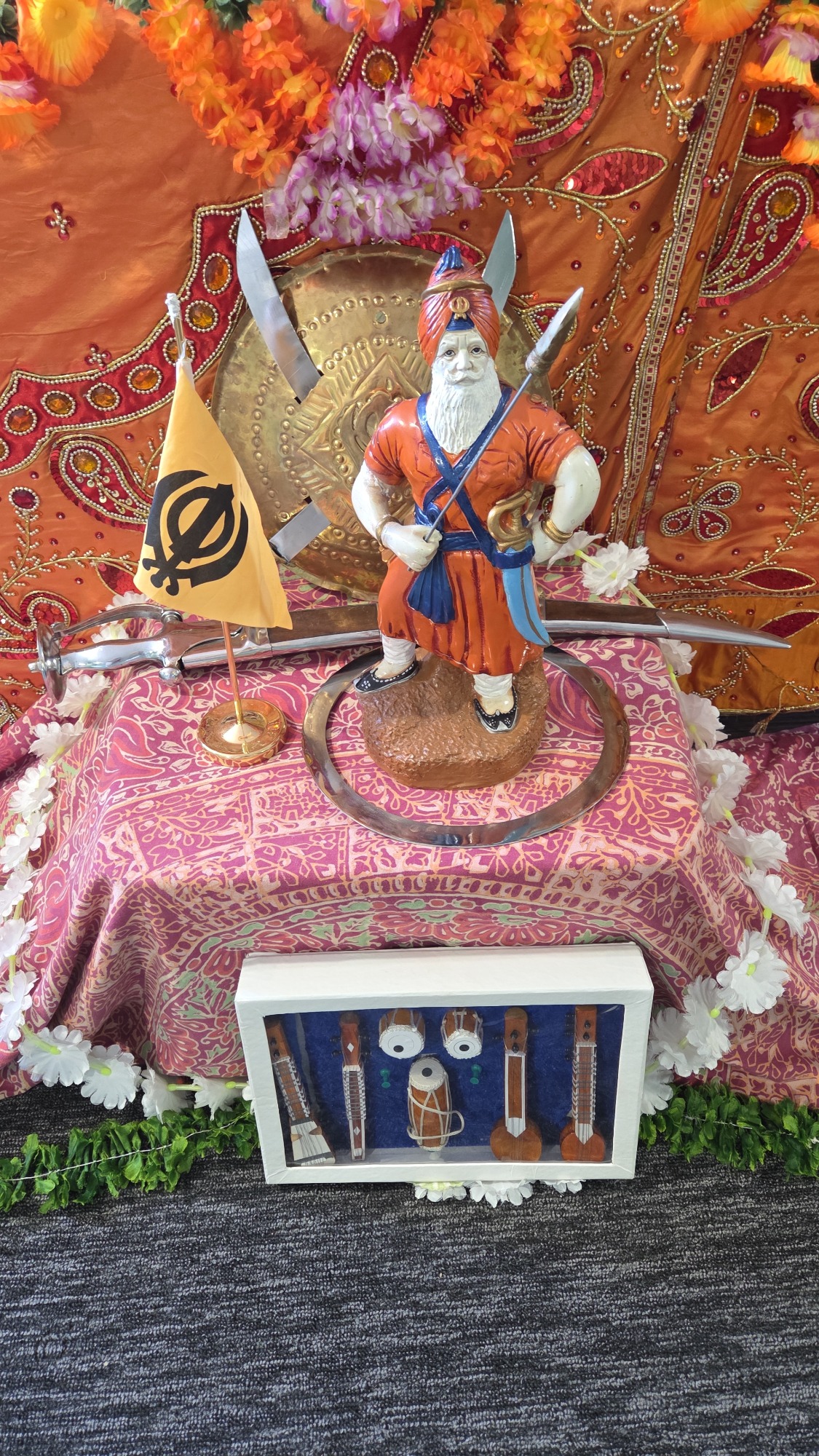
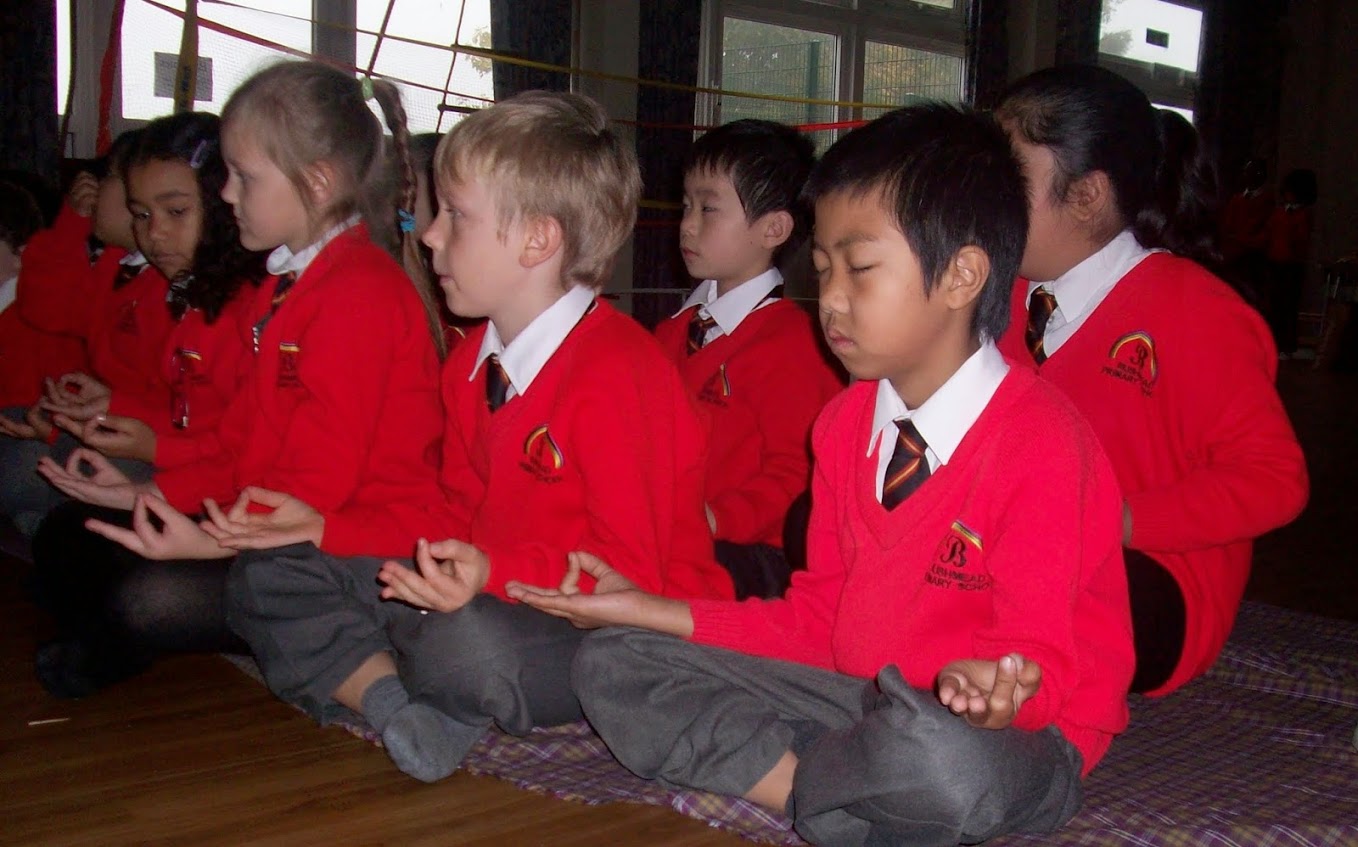
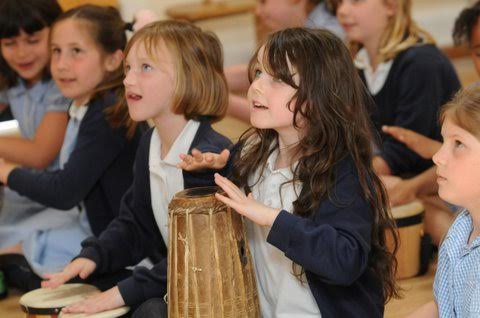
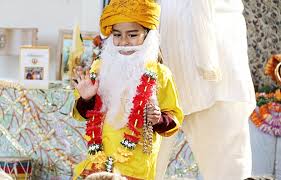
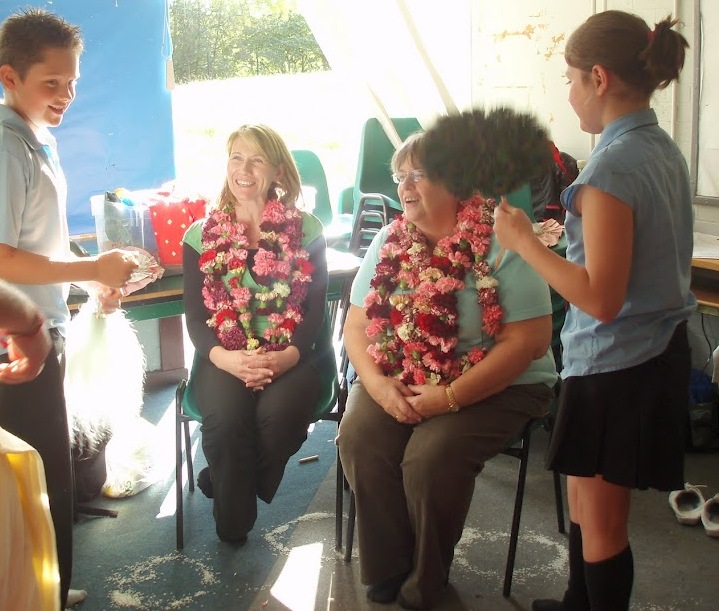
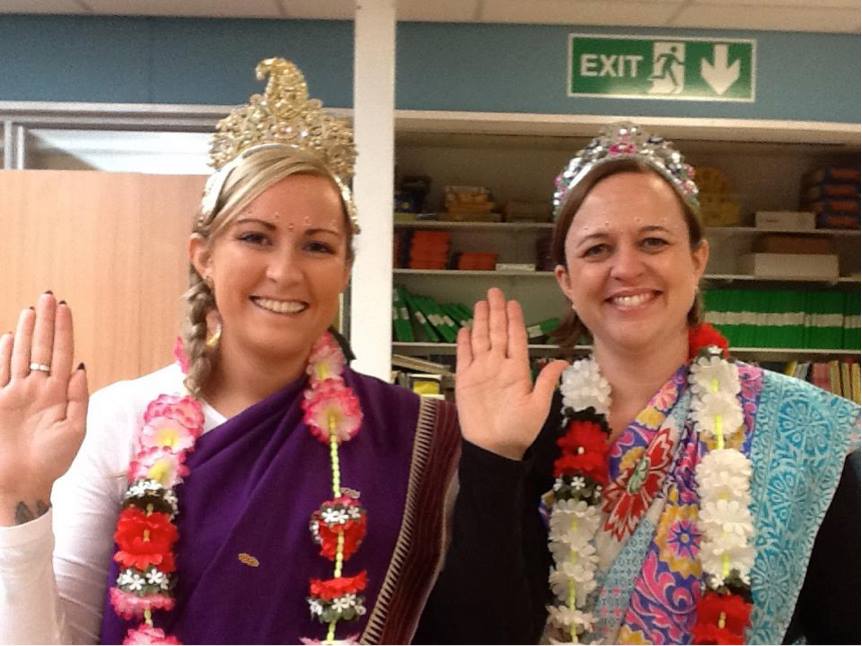
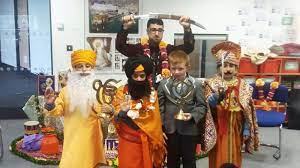
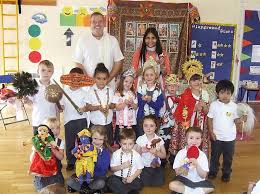
We take immense pride in our displays of exceptional quality, our impressive costumes, and our meticulously crafted worship materials. These elements are specifically designed to actively engage children and encourage their participation in every workshop module.
Basic Concepts
(Example of Hindu Beliefs)
At the primary education level, children are ceremoniously introduced to several foundational concepts integral to Hindu philosophy.
These include:
- Atman, representing the spiritual self or pure consciousness
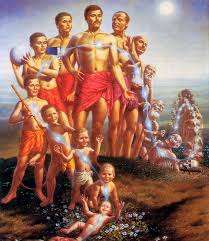
- Reincarnation, which signifies the cyclical nature of existence encompassing birth and death
- Moksha, denoting liberation from this eternal cycle
- Karma, which encapsulates the principles governing actions and their consequences
Our facilitators present these subjects with the utmost sensitivity, appropriately attuned to the developmental stage of the children. Generally, comprehensive examinations of these topics are reserved for students in Years 5 and 6.
For younger learners, selected elements of these concepts may be woven into broader activities. For example, we underscore the Hindu belief in the inherent value and sanctity of all life, and examine the vegetarian diet that aligns with the principle of 'ahimsa', or non-violence.